
Why does my toddler suddenly refuse foods they used to eat?
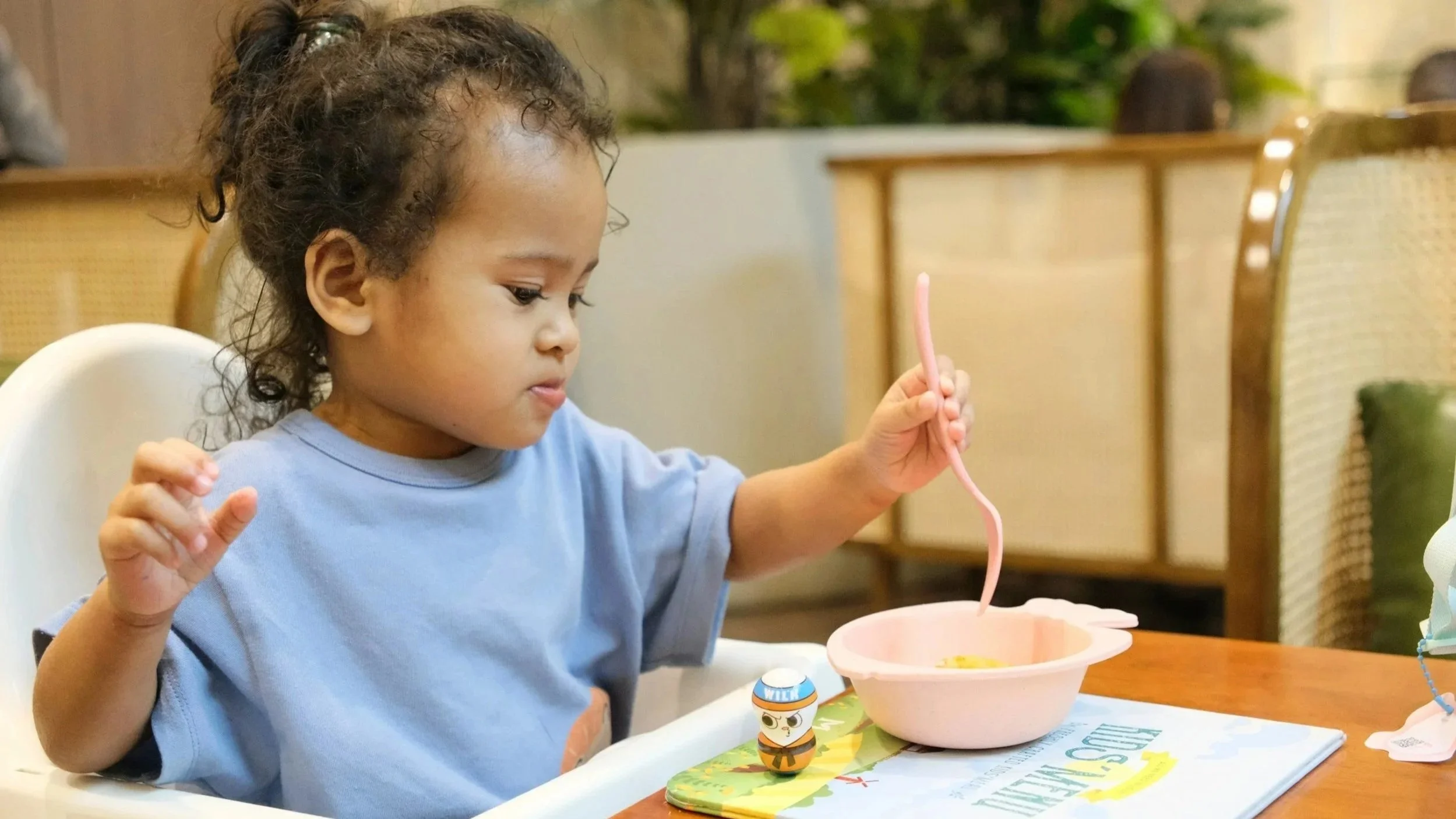
My children are all teenagers now, but I clearly remember the toddler days and the frustration of cooking a meal that they had eaten happily on numerous occasions, only to be told, “No” or “don’t like that!” when I put the plate in front of them.
Whilst annoying, this behaviour is common and normal - and rest assured, it’s nothing you have done wrong.
In the 18 month to 3 year window, toddlers are on a mission to establish a sense of autonomy, and mealtimes are a great opportunity to do this. Refusing a food they loved last week often has very little to do with the food itself and everything to do with testing how much control they actually have.
The toddler years are also when children develop greater sensory awareness, and texture, temperature or even a different brand or presentation of a familiar food can trigger a sudden refusal. My son started refusing to eat foods with a mushy texture around this age, for example, cooked carrots, avocado and mashed potato.
Sometimes a sudden change in eating isn't about independence or sensory sensitivity at all, but a sign that something is going on beneath the surface. Low iron is a common one, and it often goes hand in hand with a milk-heavy diet, as too much milk can crowd out iron-rich foods and suppress appetite. If your toddler's fussiness has crept in gradually alongside a strong preference for milk over meals, this is something worth looking into.
What you can do
Whatever the reason for your toddler’s sudden food refusal, there are things you can do to make mealtimes easier:
Repeatedly expose your toddler to foods without any forcing or pressure, e.g. keep placing a small piece of the food on their plate at dinner without comment or expectation, even if it goes untouched for weeks in a row
Involve your toddler in prep, e.g. let them rinse the vegetables, stir the pot, or choose which vegetables to buy at the shops
Keep mealtimes calm, e.g. turn off screens, sit down together as a family, and avoid bribing, negotiating or turning the meal into a battle
Pair new or newly refused foods with an accepted food, e.g. put a small spoonful of the refused vegetable next to their favourite pasta, so there's always something on the plate you know they'll eat
Avoid giving milk to your toddler before meals. Instead offer water between meals and keep milk for after they've eaten
These days, my dinner table challenge is less about food refusal and more about getting everyone in the same room at the same time, between school and uni commitments, sport and after school activities. If you're in the thick of the toddler years right now, it's worth knowing this stage doesn't last forever. Most fussy eating eases with time, patience and a calm approach to mealtimes. If it ever feels like more than a phase, trust your instincts and reach out for support, whether that's to me or your GP, rather than trying to figure it out alone.