
BLOG
How does protein help with weight loss?
You've probably heard protein is important, but do you actually know why? Here's exactly how it supports weight loss, especially for women in midlife.
Does creatine live up to the hype?
Creatine isn't just for gym junkies anymore. From strength and muscle maintenance to cognitive function and mood, find out whether it lives up to the hype, and who actually needs it.

Why does my toddler suddenly refuse foods they used to eat?
If your toddler has become a picky eater overnight, you're not imagining it, and it's not something you've done wrong. Here are three reasons toddlers suddenly refuse foods they used to love, and practical ways to make mealtimes easier again.

Beyond eczema: Children’s skin conditions that are often linked to gut health and food reactions
Urticaria, keratosis pilaris and perioral dermatitis in children are often linked to gut health and food reactions. If your child has recurrent hives, rough bumpy skin or redness around the mouth, find out what might be going on and how nutrition can help.

Why women’s mental health symptoms often get worse in winter
If you notice changes in your mood, energy and motivation in the cooler months, you’re not imagining it. Find out the nutritional reasons why winter hits some women harder than others, and what you can do about it.

The link between oestrogen decline and gut changes
If your digestion has felt different in your 40s - more bloating, new food sensitivities or constipation that wasn’t there before - your hormones may have something to do with it.

Adrenal fatigue or thyroid dysfunction? How to tell the difference
Exhausted, cold, struggling with weight and brain fog? These symptoms can point to your adrenals, your thyroid - or both. Here’s how to tell them apart and some strategies to support each condition.
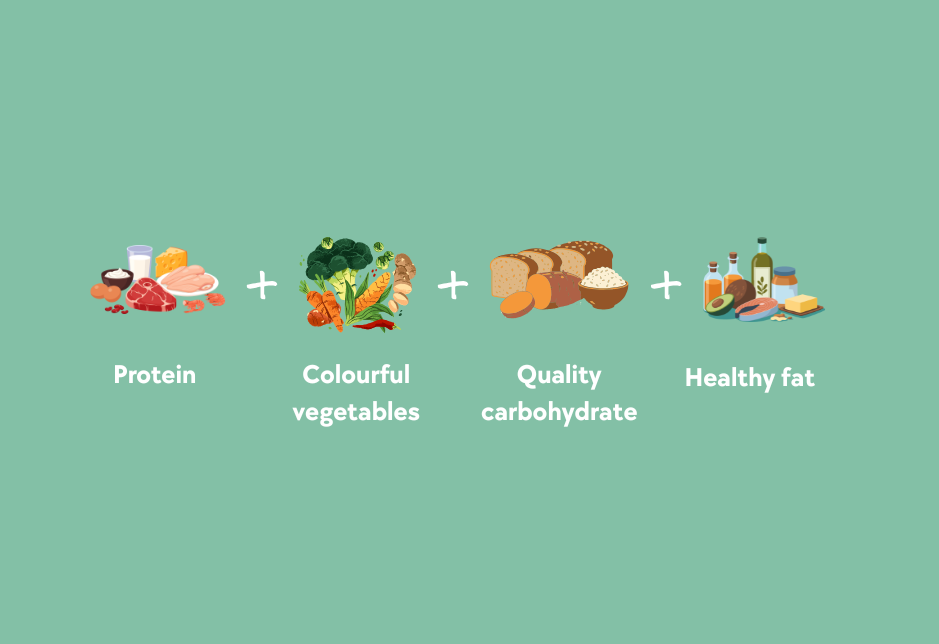
The weeknight dinner formula that makes healthy eating actually doable
A simple formula you can apply to almost any ingredients you have on hand - covering the nutritional bases without the stress.

What every parent should know about antibiotics and their child’s gut health
Antibiotics can be necessary, but they come at a cost to your child’s gut microbiome. Learn what happens, why it matters and what to do during and after antibiotic treatment to support their recovery.
How to do an elimination diet without losing your mind - a practical guide
Thinking about trying an elimination diet? Here's how to do it properly - without going to extremes, making common mistakes or ending up more confused than when you started.
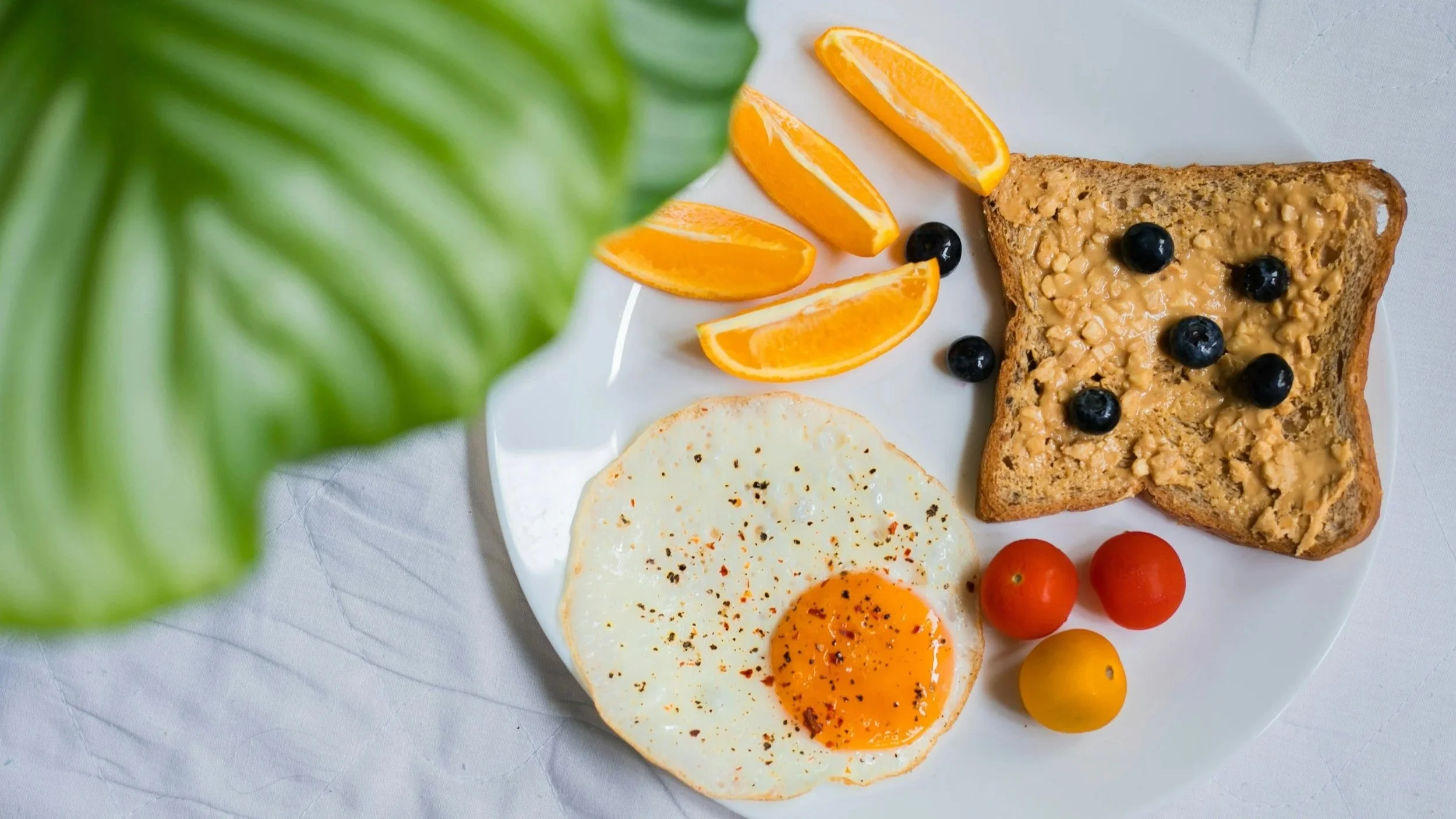
Natural ways to support dopamine in kids and adults with ADHD
Many kids and adults with ADHD are low in the nutrients their brain needs most to produce and regulate dopamine. Here's what the research says and what you can do to naturally support healthy dopamine levels.

Understanding your teenager's nutritional needs - and why they differ for girls and boys
Puberty places enormous demands on growing bodies. Find out the different nutritional needs of teenage girls and boys, and how to support your teenager practically without turning food into a battle.

Which are the best foods for kids’ bone health? (it’s not just about calcium)
Calcium is important, but it’s not the whole story. Discover the key nutrients children need for strong bones, why modern diets often fall short, and how to fill the gaps without overhauling mealtimes.

Perimenopause and sleep: Why your hormones are keeping you awake
Waking at 3am? Sleeping but still exhausted? Your hormones may be the reason. Learn how oestrogen, progesterone and cortisol affect sleep in midlife - and what actually helps.
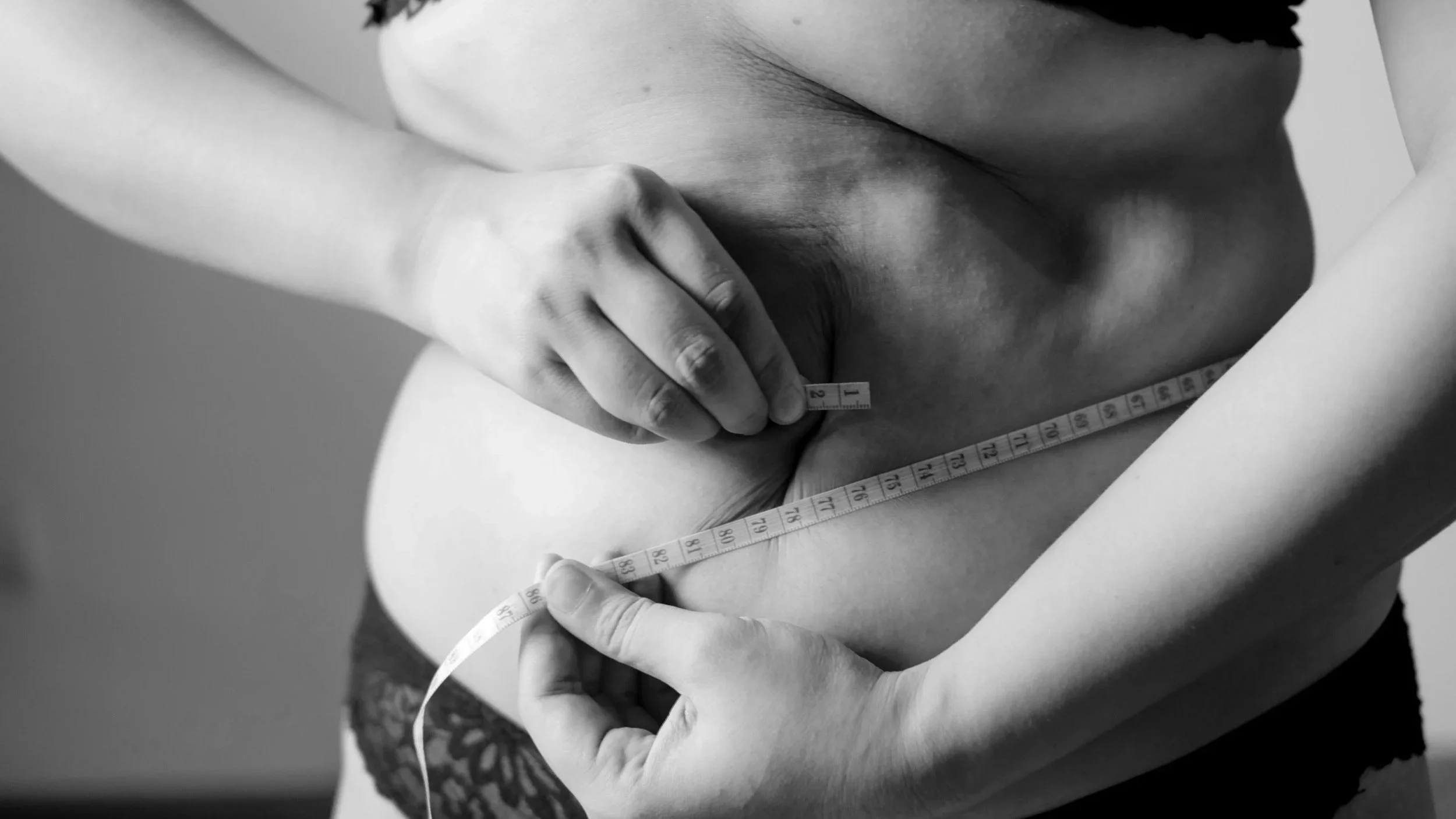
What actually supports metabolism in busy mid-life women
Discover what actually supports metabolism in busy women, including fuel, recovery and nutrient needs.

Why some kids seem to catch every cold
If your child seems to catch every cold, it may not be bad luck. Learn what frequent illness can signal about immune resilience and nutrient status.

Stress and nutrient depletion: zinc, B6 and pyrrole disorder explained
Some people struggle more during stress. Discover how zinc and B6 depletion, including pyrrole disorder, may be involved.
Food intolerance: why it’s rarely just one food
Food reactions are rarely caused by one food alone. Learn how cumulative load, shifting tolerance and additive exposure influence symptoms, and how to reduce them without extreme restriction.

When ADHD suddenly feels harder to manage
ADHD symptoms often change with stress, growth and different life stages. Learn why this happens and what it means.

Why teens skip meals, forget to eat or lose their appetite
Appetite changes are common in the teenage years. Find out what’s normal and how to support teens nutritionally without pressure.
ARTICLE/CONTENT DISCLAIMER
The information provided in this blog is for your personal or other non-commercial, educational purposes. It should not be considered as medical or professional advice. I recommend you consult with a GP or other healthcare professional before taking or omitting to take any action based on this blog. While I use best endeavours to provide accurate and true content, I make no guarantees or promises and assume no liability regarding the accuracy, reliability or completeness of the information presented. The information, opinions, and recommendations presented in this blog are for general information only and any reliance on the information provided in this blog is done at your own risk. Any third-party materials or content of any third-party site referenced in this blog do not necessarily reflect my opinion, standards or policies and I do not assume any liability for them whatsoever.