
What actually supports metabolism in busy mid-life women
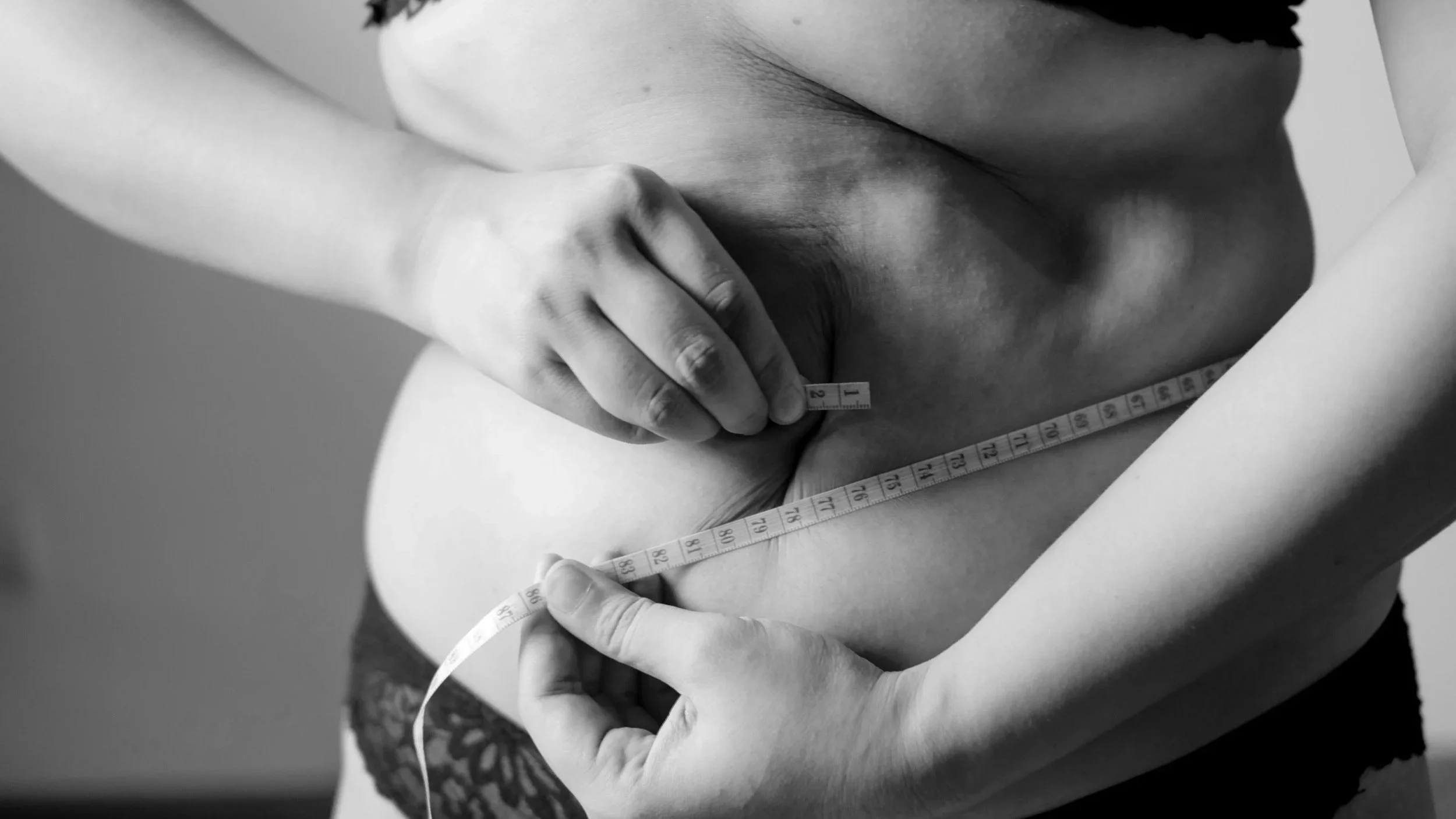
Women in mid life are often told they need to eat less or exercise more to "boost" their metabolism. Cut carbs, take the latest metabolism-boosting supplement or drink the latest detox tea. The advice is everywhere, and most of it misses the point entirely.
For most of my life, I never gave my metabolism a second thought. I was one of those women who could pretty much eat whatever I wanted without it impacting my weight, and if I did gain weight I would lose it just as quickly. Then perimenopause arrived, life got busier and more stressful, and slowly things started to change. My diet and exercise levels were the same but my waist started to expand and my body felt less predictable and more uncooperative.
What is metabolism?
Metabolism refers to the chemical processes your body uses to keep you alive, from converting food into energy to repairing cells and regulating hormones. It's always running. What changes is how efficiently it runs, and that efficiency is largely shaped by how supported your body feels day to day.
When the body is under consistent pressure, whether from under-eating, poor sleep, chronic stress or relentless busyness, it doesn't simply power through. It becomes more conservative with energy, prioritising survival functions over everything else. This is why telling women to boost their metabolism by pushing harder is completely counterintuitive as the body is signalling that it actually needs more support.
The importance of adequate fuel
Food quality matters, but food quantity matters just as much, and for many busy women, it's the piece that gets overlooked. Skipping breakfast, not eating enough during the day and then catching up at night is a common pattern, and it sends a message to your metabolism that food is scarce.
When the body isn't consistently receiving enough fuel, it becomes less efficient at burning energy. Thyroid function can slow, hunger hormones shift, and the body holds on to fat stores. This is also one of the key reasons women tend to accumulate weight around the belly when they are under-fuelling or under stress, as the body preferentially stores fat in that area.
How cortisol and perimenopause impact metabolism
Cortisol, our primary stress hormone, has a direct relationship with metabolic function. In small doses, it's helpful, but when low-grade amounts are continually being released as a result of our busy lives, it creates problems with the body's ability to regulate blood sugar, burn fat efficiently and maintain muscle.
This becomes even more of an issue during perimenopause. As oestrogen and progesterone begin to fluctuate, the body becomes more sensitive to cortisol, and the buffer that hormones once provided is reduced. Things that your body used to handle without any drama - a few late nights, a stressful week, skipping meals - can have a more noticeable impact on how you feel and how your body responds. It's not that you've become less resilient, it’s that your hormones have changed.
What about sleep?
Sleep is where much of our recovery happens, and irregular or insufficient sleep disrupts the hormones that regulate hunger, fullness and energy use. Ghrelin rises, leptin falls, and decision-making around food becomes harder. It’s common in this situation for women to blame themselves for not having better willpower, but this is actually a sleep problem, and for women in perimenopause, sleep disruption is often its own separate challenge layered on top.
Why muscle mass matters more than most women realise
Muscle is metabolically active tissue, meaning it burns energy even at rest. Building and maintaining muscle mass is one of the most impactful things a woman can do to support her metabolism long term, but it's often overlooked in favour of cardio-heavy routines or calorie restriction.
Resistance training, eating enough protein, and allowing time to recover between sessions all contribute to preserving muscle. This becomes increasingly important for women in their 40s and beyond, when muscle mass naturally begins to decline.
Could you be low in important nutrients?
Energy production at a cellular level depends on specific nutrients, and deficiencies in iron, zinc, B vitamins and magnesium are very common in women, particularly in those who are busy, stressed or not eating enough.
Low iron is one of the most common reasons women feel persistently tired and notice their body isn't responding the way it used to. Zinc plays an important role in thyroid function and immune health, both of which have a direct impact on metabolism. B vitamins are rapidly depleted by stress, making them particularly important for busy women who are running on empty. Magnesium supports hundreds of processes in the body including sleep quality, stress regulation and muscle function.
Identifying and correcting any nutrient deficiencies is critical as these are the raw materials your metabolism runs on.
What can you do to support your metabolism?
What helps?
Eating regularly throughout the day, even when life is busy
Making sure meals contain a decent amount of protein
Fuelling before and after exercise
Prioritising sleep as a non-negotiable, not a luxury
Finding small, consistent ways to reduce your stress load
What doesn’t help?
Following strict rules about what you can eat
Restricting certain food groups to "eat clean"
Waiting until you're ravenous before eating
Doing more exercise when you're already exhausted
Sacrificing sleep to fit everything in
If weight isn't shifting despite all your efforts, it's worth asking yourself: is your body getting enough support for recovery? Because everything covered in this article - adequate fuel, managing stress, quality sleep, building muscle, and getting enough of the right nutrients - all points to the same thing. More effort isn't always the answer. More support usually is.