
The link between oestrogen decline and gut changes
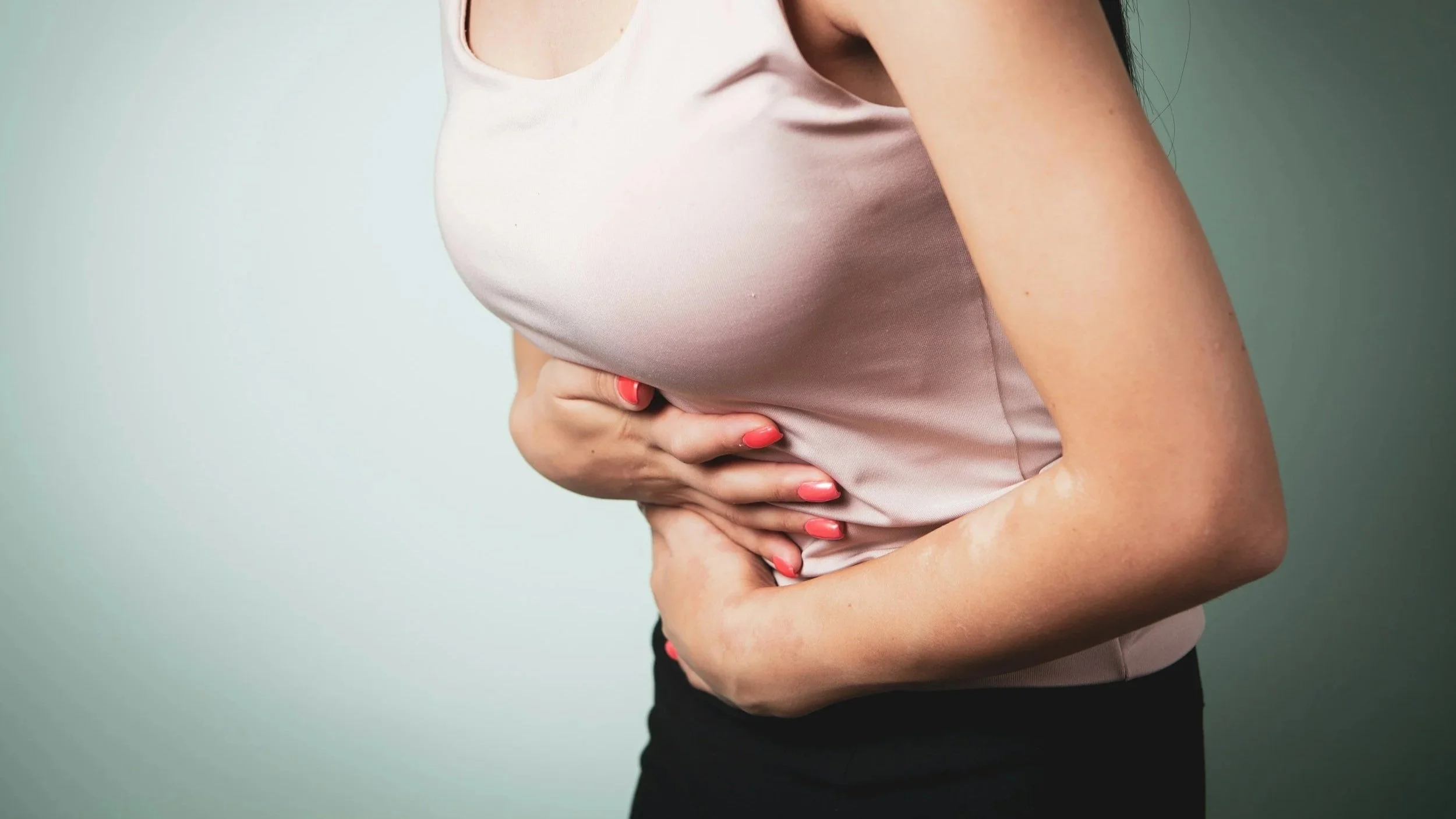
When I hit my mid-40s, I noticed an increase in bloating and food sensitivities - along with more sluggish digestion than usual. It took me a while to connect the dots, but what was happening in my gut was directly linked to what was happening with my hormones.
Oestrogen doesn’t just influence your cycle and mood - it also plays an important role in how your gut functions. As oestrogen levels begin to shift in perimenopause, many women notice digestive changes that seem to come out of nowhere. The good news is that once you understand the connection, there’s a lot you can do.
What oestrogen actually does in the gut
Research shows that there is a complex bidirectional relationship between oestrogen and the gut microbiome. Oestrogen influences the diversity and balance of the gut microbiome, and the gut microbiome influences how oestrogen is metabolised and circulated throughout the body.
Oestrogen has a protective effect in the gut, reducing inflammation and strengthening the gut lining. It also helps regulate bowel motility and influences how the gut responds to stress by supporting the production of serotonin (much of which is made in the gut).
How declining oestrogen affects gut motility and the microbiome
Oestrogen helps regulate the speed at which food moves through the digestive tract, and as oestrogen declines, bowel transit can slow down, contributing to constipation and bloating.
Declining oestrogen is also linked to changes in the diversity of bacteria in the gut, with these microbiome shifts associated with increased gut inflammation, anxiety, low mood and cognitive changes, as well as broader metabolic effects including changes in lipid metabolism and bone density.
A particularly important group of bacteria is the estrobolome, a collection of microbes responsible for metabolising oestrogen. Lower levels of oestrogen result in changes in the diversity and balance of the estrobolome, reducing the gut’s ability to metabolise and recirculate oestrogen effectively.
Oestrogen decline is also associated with reduced levels of beneficial bacteria more broadly, including Lactobacillus and Bifidobacteria, with flow-on effects for gut lining health and inflammation.
The bloating, constipation and food sensitivity connection
It is very common for clients to say to me things like "I never used to have a problem with (bread/wine/dairy etc) but now it makes me feel terrible", and this is something I experienced personally too, not long after turning 40.
One of the main complaints I hear is bloating. It feels horrible, makes your clothes not fit and is generally just not great for a woman's self-esteem, especially when they're already navigating everything else perimenopause throws at them.
Bloating happens for a few different reasons. Firstly, as oestrogen declines, the gut lining can become more permeable - sometimes referred to as "leaky gut" - and this allows food particles and bacteria to trigger an immune response (cue bloating). Slower motility also means that food sits in the digestive tract longer, increasing fermentation and gas production, and changes in the microbiome can contribute to excess gas and bloating, particularly if opportunistic bacteria begin to overgrow, for example, in Small Intestinal Bacterial Overgrowth (SIBO).
Constipation is another complaint I hear regularly in clinic. While lower levels of oestrogen play a part (due to reducing motility), constipation also has a lot to do with declining progesterone, as progesterone affects smooth muscle function in the gut. The problem is then compounded by dehydration, reduced physical activity and increased cortisol - all common in this life stage.
When it comes to food sensitivities, shifts in the microbiome reduce the gut's ability to break down and process certain foods effectively, contributing to reactions to foods that were previously well tolerated.
In addition to food sensitivities, histamine intolerance seems to affect many women in their 40s. During perimenopause, oestrogen levels fluctuate and when they are higher they stimulate the release of histamine, contributing to symptoms like bloating, headaches and skin reactions. For women who suddenly find themselves reacting to wine, aged cheese or fermented foods, histamine intolerance is often worth exploring.
Why stress makes everything worse at this stage of life
Many women in perimenopause are navigating significant life demands - career, children, ageing parents, relationships - and this means chronic low grade stress is unfortunately often the norm. The impact of this chronic stress on all aspects of our health is huge, particularly in relation to gut health - and much of this comes down to cortisol, our primary stress hormone.
The gut and brain are constantly communicating via the gut-brain axis, which means that stress directly affects gut function. It does this in several ways - by prioritising survival over digestion, by increasing intestinal permeability and by disrupting the gut microbiome (due to elevated cortisol reducing beneficial bacteria and creating an environment where opportunistic bacteria can thrive).
As oestrogen declines, the HPA axis becomes more reactive, causing the stress response to be triggered more easily and take longer to settle. Poor sleep, which is extremely common in perimenopause, doesn’t help as it further elevates cortisol and compounds the effects on gut health.
Practical nutrition strategies to support your gut through perimenopause
The good news is that there is plenty you can do nutritionally to support your gut through perimenopause - and many of these strategies will benefit your hormonal health at the same time so it’s a win all round.
Support the gut lining
Prioritise anti-inflammatory foods, e.g. oily fish, olive oil, nuts, seeds and colourful vegetables
Bone broth and collagen-rich foods support gut lining integrity
Reduce ultra-processed foods, refined sugar and alcohol, all of which contribute to intestinal permeability
Support the microbiome
Aim for 30 different plant foods per week to maximise microbial diversity
Include fermented foods daily (if tolerated), e.g. yoghurt, kefir, sauerkraut, kimchi
Aim for a minimum of 25-30g of fibre per day from a variety of plant sources
Prioritise prebiotic foods like garlic, onion, leeks, asparagus and green banana to feed beneficial bacteria
Support motility
Stay well hydrated - even mild dehydration slows bowel transit
Regular movement supports gut motility - even a daily walk makes a difference
Magnesium glycinate can be helpful for sluggish bowels and also supports sleep and stress
Consume phytoestrogens
Phytoestrogens are plant compounds that have a mild oestrogen-like effect in the body and can help buffer some of the effects of declining oestrogen
Good sources include flaxseeds, soy (tempeh, edamame, miso), legumes and sesame seeds (note: flaxseeds are particularly useful as they also support healthy bowel motility and feed beneficial gut bacteria)
Manage stress and sleep
Prioritise 7 - 8 hours sleep daily - it directly affects cortisol and gut health
Build stress management practices into your routine, e.g. breathwork, walking, yoga
Consider histamine
If you are reacting to fermented foods, wine or aged cheese, a low-histamine approach may be worth trialling temporarily while you work on gut healing
Support oestrogen metabolism
The liver is responsible for breaking down and clearing used oestrogen from the body. If this process is sluggish, oestrogen can be reactivated and recirculated, disrupting hormonal balance
Cruciferous vegetables like broccoli, cauliflower, Brussels sprouts and kale contain compounds that support liver detoxification pathways and healthy oestrogen metabolism
Adequate fibre is essential for oestrogen clearance. Fibre binds to used oestrogen in the gut and helps carry it out of the body. When fibre intake is too low, oestrogen can be reabsorbed rather than excreted, contributing to hormonal imbalance
Reducing alcohol is one of the most effective strategies for supporting liver health and oestrogen clearance
Adequate protein, B vitamins and magnesium are also required for the liver's detoxification pathways to function well
A note about hormone therapy
For many women, addressing the underlying hormonal shift through body-identical hormone therapy can have a positive flow-on effect on gut symptoms. This is worth discussing with your GP or gynaecologist as part of a broader perimenopause management plan.
References
Lim M,J.S., Parlindungan E., See E., Gan H.W,, Yap R. & Yong G.J.M. (2026), ‘Diet, the Gut Microbiome, and Estrogen Physiology: A Review in Menopausal Health and Interventions’, Nutrients, vol. 18.
Marano G., d’Abate C., Sorrenti G., Traversi G., Esposito R., Pavese F., D’Angelo T., Fuso P., Franceshini G., Paris I. & Mazza M. (2026), ‘The Gut Microbiota in Perimenopausal Anxiety: A Novel Therapeutic Pathway Through Diet’, Nutrients, vol. 18.
Wang H., Shi F., Zheng L., Zhou W., Mi B., Wu S. & Feng X. (2025), ‘Gut microbiota has the potential to improve health of menopausal women by regulating estrogen’, Frontiers in Endocrinology, vol. 16.