
Natural ways to support dopamine in kids and adults with ADHD
Have you ever wondered why your child can hyperfocus on an xbox game for three hours but can't stay sitting down long enough to finish breakfast? Or why mornings feel like a daily battle no matter how many systems you try?
For many families navigating ADHD, whether it's your child, yourself, or both, the struggle is real, and it's exhausting. What we're starting to understand more and more is that a big piece of the puzzle isn't just about behaviour or willpower. It's neurological. And it's deeply connected to the brain chemical dopamine.
In this post, I’ll share some of the natural, everyday ways we can support dopamine through food and nutrients, without it feeling like another overwhelming thing to add to your already full plate.
Why dopamine regulation matters in ADHD
There is a common misconception that ADHD is simply a “lack of dopamine”, but it’s a bit more complicated than that. A more accurate description would be “dopamine dysregulation”. ADHD brains tend to differ from neurotypical brains in the way dopamine is released, used and recycled, and this dysregulation has a big impact on a person’s motivation, attention, emotional stability and ability to start (and finish) tasks.
Medication can be incredibly helpful for many people with ADHD because it boosts dopamine availability, but it isn't a one size fits all solution, and for some people the response is limited or the side effects outweigh the benefits. One of my children has ADHD and has spent periods on and off medication over the years, and I have experienced firsthand how much thought goes into the decision to medicate and how what works at one stage of life doesn't always work at another. What I do believe is that medication alone is rarely enough, and the best outcomes tend to happen when the brain has the right nutritional foundation to support it.
Many people with ADHD find themselves subconsciously chasing dopamine hits through things like screens, sugary foods or thrill-seeking behaviours. This isn't a character flaw or a lack of willpower. The ADHD brain can become very uncomfortable in low stimulation states, and that constant search for the next hit of dopamine can be genuinely exhausting for the whole family. What we want to work towards is a steadier dopamine baseline, where the brain isn't constantly running on empty and searching for the next hit.
The nutritional building blocks of dopamine
If you take one thing away from this post let it be this: adequate protein is essential for people with ADHD.
Many people don't realise that dopamine is made from an amino acid called tyrosine, which is found in protein-rich foods. Without adequate protein, the body can't produce dopamine, which is why it is critical that foods like eggs, chicken, turkey, legumes, dairy, nuts and seeds are included in every meal and snack.
This is another reason why ultra-processed diets are so bad for children with ADHD. These foods are generally stripped of nutrients and loaded with additives and artificial ingredients, meaning the brain is running on empty, even when a child appears to be eating plenty.
Protein also plays an important role in blood sugar regulation, which matters more than most people realise as stable blood sugar supports stable mood, focus and impulse control.
Why protein timing matters - not just protein quantity
When it comes to protein, it’s not just about eating enough - it’s about when you eat it.
Many people with ADHD, particularly children and teenagers, have no appetite early in the morning so they’ll either skip breakfast or have some kind of carb-based snack, like a slice of toast with Vegemite. This is actually the worst thing they can do as it tends to cause a crash mid-morning, often resulting in problems with concentration, fatigue, motivation and emotional regulation.
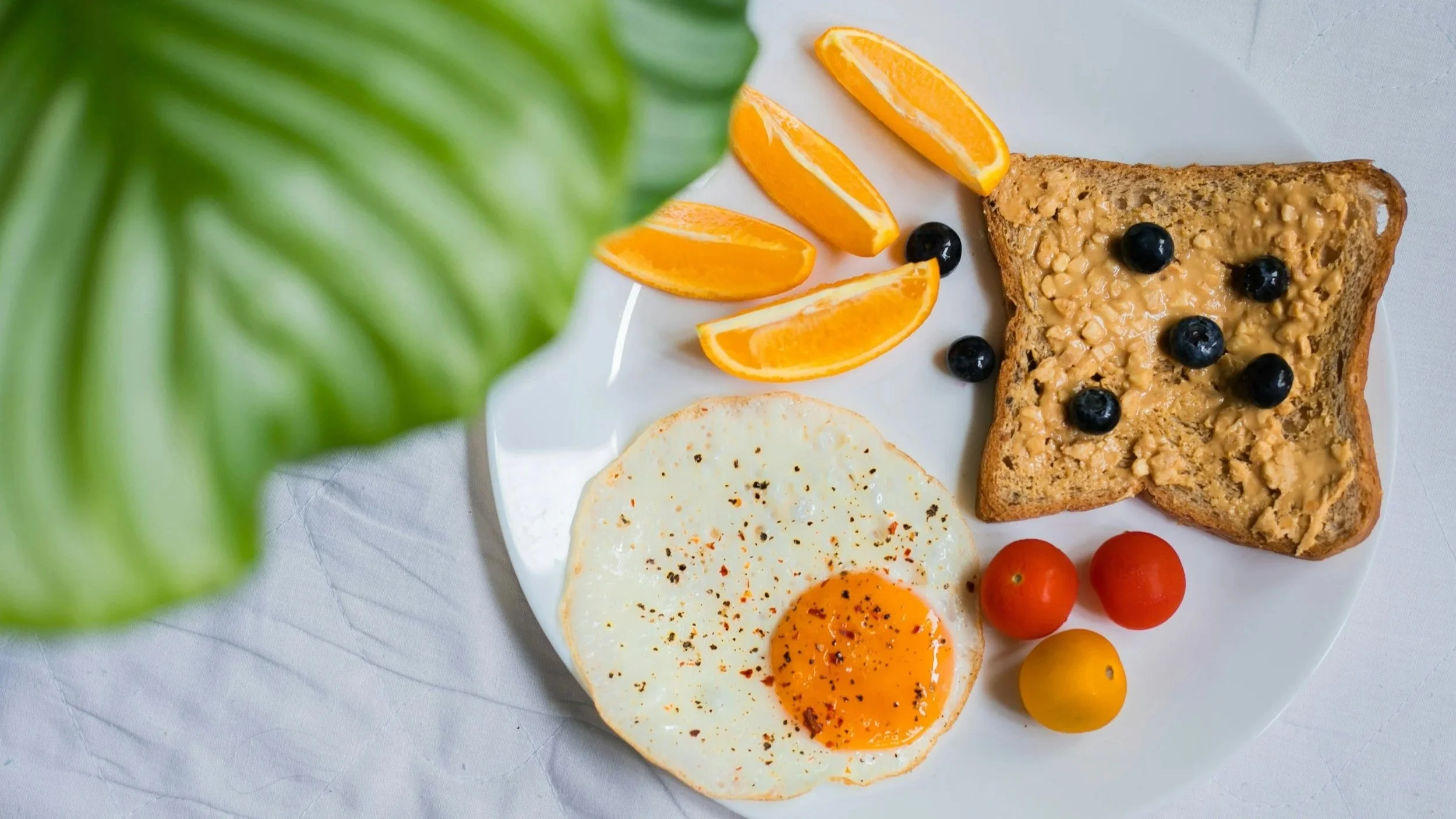
When I work with people with ADHD in clinic, my first priority is usually to try to get them on board with having some form of protein for breakfast. This is something my child also struggles with, and I completely understand how hard it is for many people to eat early in the morning. For these people, it can be as simple as a hard-boiled egg, a small protein smoothie, high-protein toast with quality peanut butter or cream cheese, a small tub of Greek yoghurt or even a couple of slices of cheese, a few nuts and some fruit.
The role of iron and zinc in dopamine production
If you or your child has been diagnosed with ADHD it might be a good idea to have your iron levels tested. Iron is essential for converting tyrosine into dopamine and being low in iron is associated with disrupted dopamine signalling. Not surprisingly, iron deficiency is common in people with ADHD, and research has found a link between low ferritin (stored iron) and more severe ADHD symptoms.
Zinc is another important mineral to consider. Zinc helps to regulate dopamine transport and, like iron, zinc levels are often lower in children with ADHD. Interestingly, being low in zinc is also associated with poor appetite, especially in the morning, which may go some way to explaining why so many kids with ADHD struggle to eat breakfast.
It is often necessary for people with ADHD to supplement with iron and zinc, as it can be difficult to correct deficiencies through diet alone. When it comes to iron, it is very important to have a blood test first, as excessive iron can be toxic and harmful to the organs. When interpreting your results, ferritin is the most important marker to look at, as it reflects your stored iron levels. Serum iron only shows what is circulating in the blood at that moment, which can appear normal even when your stores are actually quite depleted. As a general guide, optimal ferritin for brain function and neurotransmitter production is around 50 ug/L, which is significantly higher than the lower end of what most GPs consider to be a normal result.
Omega-3s and how the brain uses dopamine
While protein and minerals provide the raw materials for dopamine production, omega-3 fatty acids play a different but equally important role in how well the brain actually uses dopamine. Omega-3s (specifically DHA and EPA) support the structure of brain cell membranes, which affects how well dopamine receptors function. Many studies have shown that omega-3 supplementation can reduce ADHD symptoms, particularly inattention.
For ADHD specifically, EPA is generally considered the most important of the omega-3s, as it has the strongest anti-inflammatory effect and the most research behind it for mood, behaviour and attention. When choosing an omega-3 supplement, look for one that has a ratio of around 2:1 or 3:1 EPA to DHA.
Magnesium, B6 and the nervous system connection
If you’ve been following me for a while, you would know that magnesium is my all-time favourite supplement. For people with ADHD, increasing magnesium levels can be a game-changer in terms of managing symptoms. Magnesium plays a role in calming the nervous system and supporting neurotransmitter function - and it is often found to be low in children with ADHD. Some signs of low magnesium include poor sleep, muscle tension, anxiety and irritability.
Magnesium also works best when combined with vitamin B6, which is why you will often see the two together in supplements. B6 is a cofactor in dopamine synthesis, meaning it helps the actual conversion process happen, and without adequate B6 the body can struggle to make dopamine efficiently even when all the other building blocks are in place.
Good food sources of magnesium include leafy greens, nuts, seeds, legumes and dark chocolate, while B6 is found in foods like chicken, fish, eggs, bananas and sweet potato. That said, getting therapeutic amounts of either nutrient through diet alone can be difficult, particularly if your child is a fussy eater, which is why supplementation is often worth considering for kids and adults with ADHD.
What this looks like practically — for busy families
A dopamine-supportive day doesn't need to be complicated. It might look something like this:
Breakfast: some form of protein within an hour of waking, even if it's small.
Examples: a boiled egg, Greek yoghurt, a protein smoothie or high protein toast with peanut butter all work well.
Mid-morning snack: a combination of protein and healthy fat to maintain focus and avoid a crash.
Examples: a small handful of nuts, cheese and wholegrain crackers, or some veggie sticks with hummus.
Lunch: a balanced meal with a good protein source, plenty of vegetables and some complex carbohydrates.
Examples: a wholegrain wrap with turkey and salad, or leftovers from the night before.
Afternoon snack: this is often a prime time for dopamine-seeking behaviour, particularly after school. Having something ready to go that combines protein and slow-releasing carbohydrates can make a big difference.
Examples: a smoothie, boiled eggs, nut butter on apple slices or Greek yoghurt with fruit.
Dinner: a wholefood meal built around quality protein, healthy fats and plenty of vegetables. This is also a good opportunity to include omega-3 rich fish a couple of times a week.
I want to acknowledge that for many families, getting a child with ADHD to eat well is far easier said than done. Texture sensitivities, food refusal and appetite suppression from medication are all very real barriers, and if this is your reality, please know that you are not alone. The last thing I want is for this post to feel like another thing you are failing at. My advice, as someone who has been there, is to work with what your child will actually eat, find the protein sources they tolerate, and build from there.
And if you are feeling overwhelmed, I recommend just picking one thing to focus on. It could be committing to a protein-based breakfast three mornings a week, or adding an omega-3 supplement, or booking a blood test to check iron and zinc levels. You don't need to do everything at once. Start with the thing that feels most manageable for your family right now, and go from there.
Hunter, C., Smith, C., Davies, E., Dyall, S. and Gow, R. (2025). ‘A closer look at the role of nutrition in children and adults with ADHD and neurodivergence’, Frontiers in Nutrition, vol. 12.
Sinn, N. (2008), ‘Nutritional and dietary influences on attention deficit hyperactivity disorder’, Nutrition Reviews, vol. 66, no. 10, pp. 558-68.
El-Sayed, R., Alamri, E., ElSayed, M., Alshehri, O., Altawil, A., Fawzy, M. and Zaitone, S. (2025), ‘Role of Vitamins and Nutrients in the Management of Attention-Deficit Hyperactivity Disorder (ADHD): A Narrative Review’, Journal of Disability Research.